Best Yarn for Baby Blankets: Soft, Safe & Washable Picks
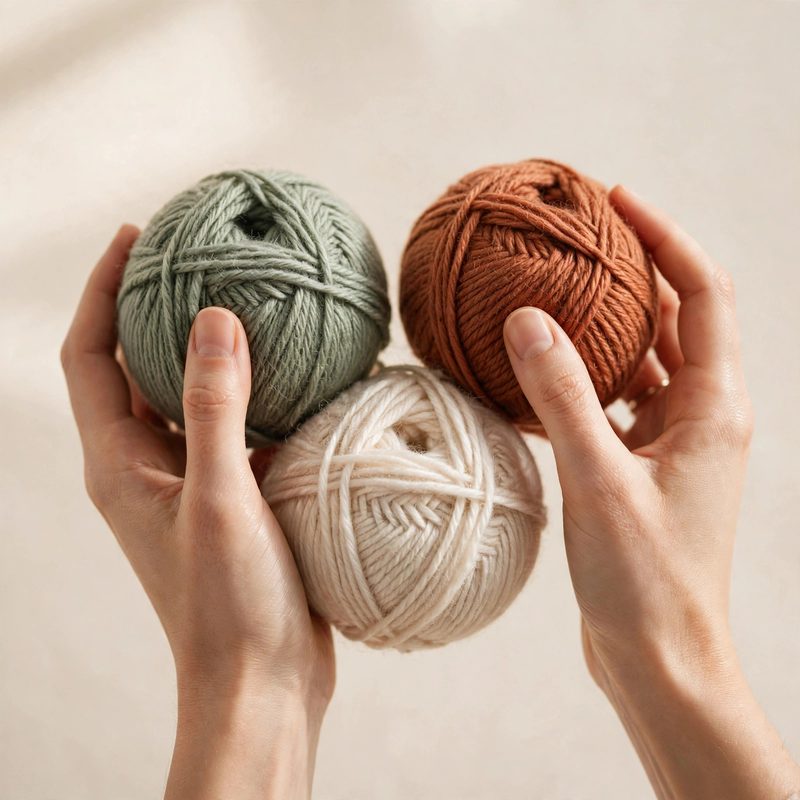
A baby blanket gets chewed, dragged, and washed weekly — so the best yarn is soft against newborn skin, machine washable, and free of scratchy fibers. Here are the fibers and weights that actually work.
What matters most in a baby yarn
Three non-negotiables: softness (test it against your cheek, not your hand), washability (machine wash and dry, because it will be washed constantly), and safety (no novelty yarns with long eyelash fibers a baby could pull loose and chew). Everything else — color, price, brand — comes second.
The best fibers for baby blankets
Acrylic is the default for good reason: soft modern acrylics are inexpensive, fully washable, and come in every color. Look for “baby” or “soft” lines rather than the cheapest craft-store skeins. Superwash wool blends (wool treated to survive the washing machine, often blended with acrylic or nylon) are warmer and springier — lovely for heirloom blankets. Cotton blends are breathable and great for warm climates, but pure cotton is heavy and inelastic; a cotton-acrylic blend gives you softness without the weight. Avoid mohair, alpaca, and any yarn labeled hand-wash only.
Best weights for baby blankets
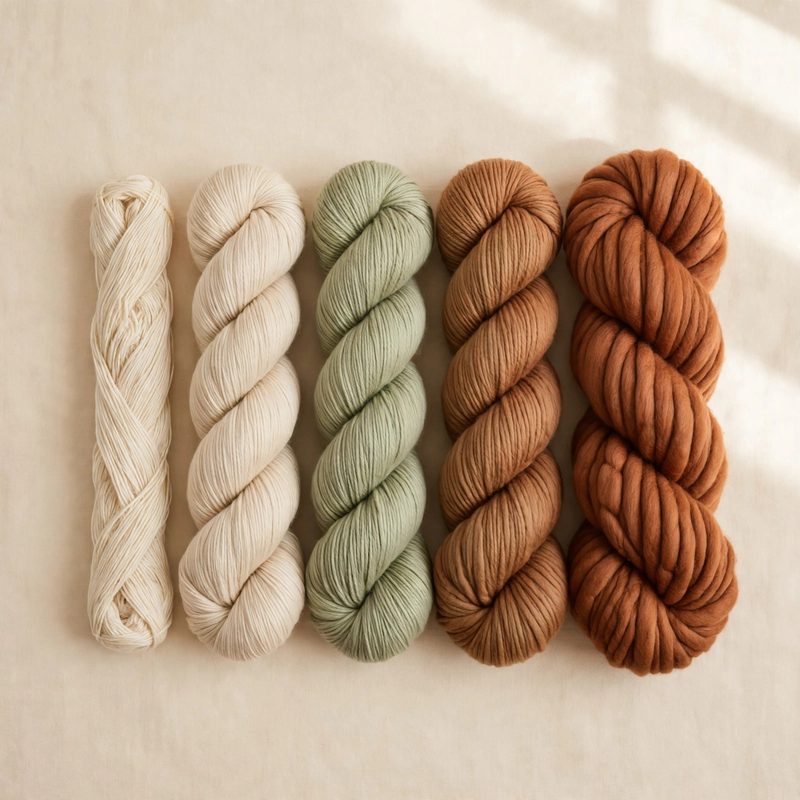
Sport (2), DK (3), and worsted (4) cover nearly all baby blankets. DK is the sweet spot — soft drape, reasonable speed, and not too bulky to fold into a stroller. Bulky works for a quick gift blanket but makes a stiff, heavy fabric. Check the per-weight numbers on our baby blanket yardage page: a standard 30×36-inch blanket needs about 1,150 yards in DK or 1,050 in worsted.
How much to buy
Use the yarn yardage calculator with your exact yarn's yardage per skein (from the label), then add the 10% buffer — and buy it all in one dye lot. For a typical baby blanket that means 5–6 skeins of worsted or DK. Buying one extra skein is cheap insurance against a discontinued colorway.
Colors, patterns, and finishing touches
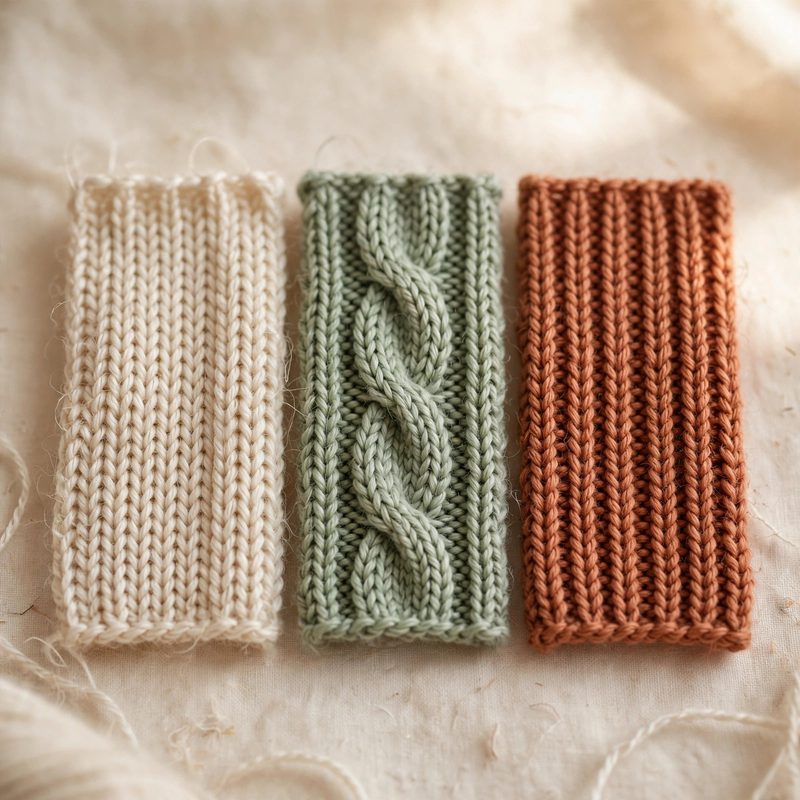
Pastels are classic, but modern baby blankets go bold — high-contrast patterns engage newborns' developing vision. Variegated yarns do the colorwork for you; just check the dye lot across all skeins. For texture, seed stitch or granny squares hide uneven tension, which makes them great beginner choices.
Finish with a simple single-crochet border to stop curling, weave in ends securely — babies pull at everything — and wash once before gifting. That first wash softens the fibers, confirms the colors don't bleed, and pre-shrinks everything so the new parents can toss it straight in their own machine.
A handwritten care card tucked in with the gift is a thoughtful extra: machine wash cold, tumble dry low.
Turn this into exact yardage
Use the free calculator to convert what you learned into yardage and skein counts.
Frequently asked questions
What is the best yarn for a baby blanket, overall?
Acrylic or a superwash wool/acrylic blend — soft, machine washable, affordable, and durable enough for daily use.
Can I use cotton yarn for a baby blanket?
Yes, if it is a soft, washable cotton — but cotton is heavier and less stretchy than acrylic, so size up your hook or needle slightly.
How much yarn do I need for a baby blanket?
It depends on weight and size, but a standard 30×36-inch blanket in worsted weight takes about 1,050 yards — roughly 5 skeins of 220-yard yarn.